Lebanon Top Hardscaping Services for Custom Landscape Design
Lebanon Top Hardscaping Services for Custom Landscape Design
Blog Article
Hardscaping Services: Improve Your Outdoor Space With Stunning Features
Hardscaping solutions are essential in reshaping outdoor areas. By including features such as patios, walkways, and fire pits, these services enhance both functionality and aesthetic appeal. The appropriate choices can enhance drainage and establish inviting areas for leisure. However, comprehending the various aspects of hardscaping is essential for making informed decisions. Which elements should one emphasize, and how can they truly elevate a property's market value? Exploring these considerations reveals more to reflect on.
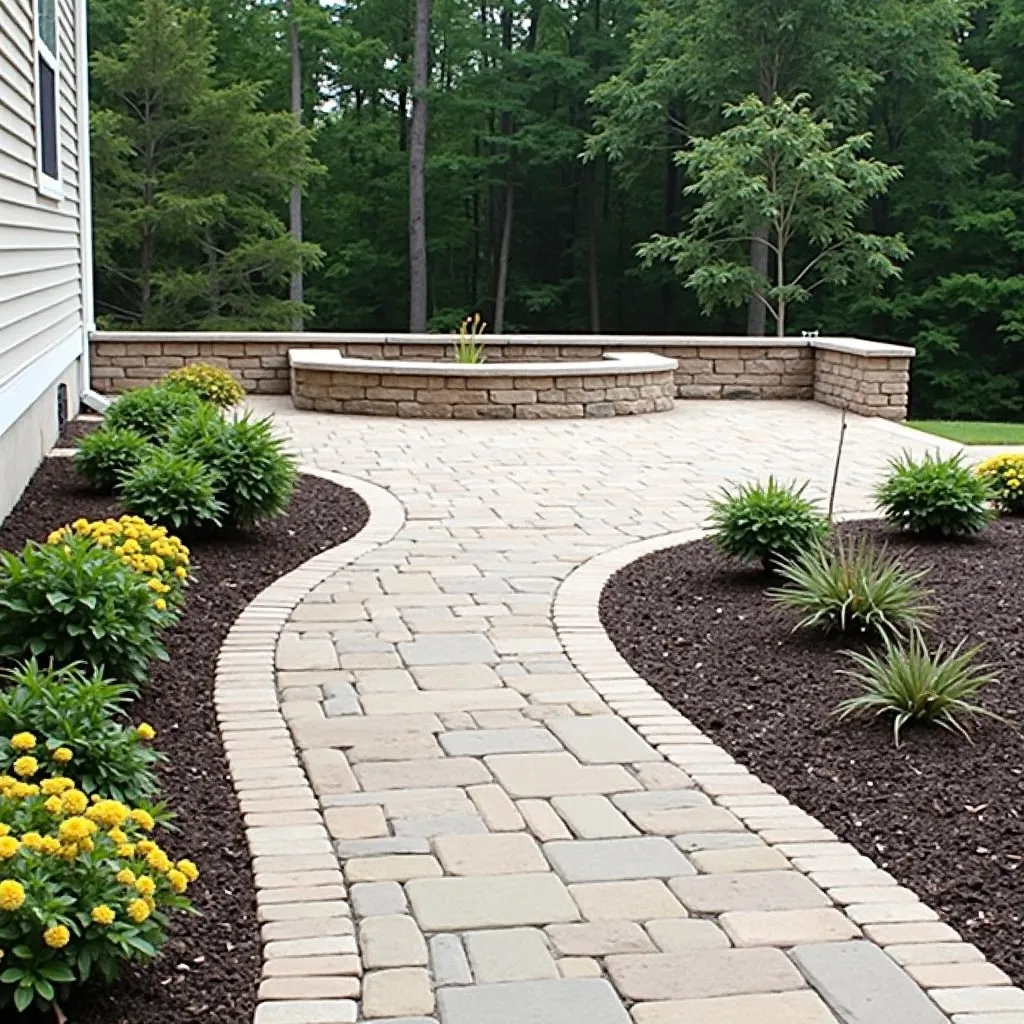
What Is Hardscaping and Why Is It Essential?
Hardscaping denotes the non-plant elements of landscape design, including elements such as patios, walkways, and retaining walls. This aspect is essential in outdoor spaces, delivering structure and functionality. By utilizing hardscaping, homeowners can develop defined areas for relaxation, entertainment, and navigation, improving the overall usability of a yard.
Additionally, hard landscape materials strengthen the visual attractiveness of a garden setting, establishing visual relief to plant life and seasonal growth. They can be designed in various styles and materials, allowing tailored customization that reinforces the structural design of a home.
Moreover, hardscaping facilitates effective drainage and erosion management, reducing landscape demands and upholding the integrity of the surrounding environment. Overall, it serves as a foundational aspect of landscape architecture, intertwining beauty with practicality, and confirming that outdoor spaces are both engaging and long-lasting.
Essential Hardscaping Elements for an Welcoming Outdoor Space
Designing an attractive exterior space often centers on incorporating essential hardscaping components that boost both utility and aesthetic appeal. Crucial elements like patios, walkways, and retaining walls provide structure and order, steering movement throughout the landscape. Patios serve as social hubs for events, whereas walkways form safe routes, joining multiple zones seamlessly.
Incorporating elements such as fire pits or outdoor kitchens can boost social gatherings, providing warmth and food experiences under the open sky. Additionally, ornamental pebbles, gravel, or mulch can be applied to define garden beds and pathways, establishing texture and contrast.
Water structures, such as fountains or ponds, create peaceful noise and a sense of serenity. Finally, properly positioned lighting enhances safety while highlighting architectural details during the evening hours. Altogether, these hardscaping elements lend to a harmonious, appealing environment that encourages outdoor enjoyment.
Guide to Selecting Excellent Materials for Your Hardscaping Requirements?
Determining the right materials for hardscaping projects is significant for achieving durability and visual beauty. Home owners should consider factors such as climate, maintenance requirements, and the intended use of the zone. For example, stone varieties furnishes a perpetual appearance and exceptional durability, making it acceptable for seating areas and walkways. Similarly, cement pavers provide versatility in layout and color, while being budget-conscious.
Furthermore, the selection between permeable and impermeable materials can affect water management and landscaping. Porous alternatives, like permeable pavers, allow water to seep, minimizing runoff and deterioration.
It is also essential to select materials that harmonize with existing structures and the overall landscape. By matching the hardscape features with the home’s architecture and surrounding greenery, a cohesive and welcoming outdoor area can be achieved. Ultimately, the appropriate materials will not only boost aesthetics but also ensure long-lasting functionality.
Crafting Efficient and Aesthetic External Spaces
Turning outdoor spaces into functional and beautiful spaces demands a thoughtful approach that balances design elements with utility. Effective hardscaping features pathways, patios, and retaining walls that provide both ease of use and visual appeal. By choosing materials that harmonize with the surrounding landscape, homeowners can create a flawless transition between constructed and natural environments.
Adding features such as relaxation spots, fire pits, or outdoor kitchens strengthens the functionality of the space while encouraging group engagement. Also, focus on drainage and lighting guarantees that the area proves safe and operational in assorted conditions.
Strategically placed vegetation and ornamental rocks can soften hard edges, adding a touch of nature to the design. Ultimately, a carefully designed exterior space not only showcases personal taste but also accommodates everyday activities, rendering it a worthwhile extension of the home.
Hardscape Upkeep Tips for Sustained Longevity
Preserving hardscaping elements is vital for guaranteeing their longevity and visual attractiveness. Consistent cleaning practices, seasonal inspections, and timely repairs of any deterioration serve critical functions in protecting these outdoor structures. By adhering to these maintenance tips, homeowners can enhance both the durability and appearance of their hardscaped areas.
Regular Cleaning Methods
Regular cleaning practices greatly enhance the longevity of hardscape elements. Routine maintenance avoids the buildup of dirt, debris, and organic materials that assessment can lead to stains and deterioration. Regularly sweeping surfaces maintains free debris at bay and reduces the risk of moss or algae growth. For more difficult marks, a mild pressure washing can effectively remove grime without damaging the material. Additionally, using a balanced pH cleanser ensures that the stability of the hardscaping is preserved. It is also essential to examine seams and joints for any signs of wear or damage, as these zones may need more concentrated maintenance. By adopting these practices, homeowners can preserve the aesthetic appeal and physical soundness of their outdoor spaces.
The Value of Periodic Evaluations
Performing seasonal inspections is important for the longevity of hardscaping elements. These reviews allow property owners to spot deterioration caused by changing weather conditions, such as freeze-thaw cycles or heavy rainfall. Regular inspections ensure that joints, pavers, and retaining walls stay firm and free from cracks or shifting. Furthermore, evaluating drainage systems is vital to avoid water accumulation, which can cause structural damage over time. Seasonal evaluations also grant chances to clean surfaces and deal with any minor issues before they turn into major repairs. By focusing on these inspections, homeowners can preserve the aesthetic appeal and functionality of their outdoor spaces, ultimately extending the lifespan of their hardscaping investments.
Handling Harm Swiftly
Addressing deterioration quickly is essential for maintaining the structural soundness of hardscaping features. Ignoring minor issues, such as cracks in paving stones or unstable boundary walls, can lead to greater complications over time. Periodic inspections help identify these issues early, allowing for prompt fixes that can save homeowners from costly replacements. For instance, sealing cracks with appropriate materials not only restores aesthetics but also prevents water infiltration, which can cause further damage. Similarly, realigning pavers can enhance security and usability. Homeowners should also consider seasonal wear and tear, addressing any damage before harsh environmental factors worsen the problem. By emphasizing timely fixes, the longevity and beauty of hardscaping features can be effectively maintained. or unstable boundary walls, may cause greater complications eventually. Regular maintenance checks support early detection of these issues in a timely fashion, permitting timely fixes that protect owners from expensive renovations. To illustrate, filling cracks with suitable materials restores appearance and prevents water seepage, which causes further damage. Repositioning pavers strengthens safety and performance. Property owners must consider seasonal damage, addressing any deterioration before extreme environmental factors worsen conditions. By focusing on quick repairs, the longevity and visual appeal of hardscaping elements remains properly preserved
The Impact of Hardscaping on Increasing Property Value
Hardscaping considerably increases property value by enhancing curb appeal and establishing functional outdoor spaces. Well-designed patios, walkways, and retaining walls not only attract potential buyers but also provide practical areas for relaxation and recreation. These improvements can result in a higher return on investment for homeowners.
Improved visual appeal
While many homeowners seek ways to improve their properties, incorporating hardscaping elements can significantly boost curb appeal. Features such as rock walkways, retaining walls, and decorative patios create a visually appealing exterior that draws in potential buyers. The aesthetic appeal of skillfully crafted hardscaping not only enhances landscaping but also establishes a distinct tone for the property. Additionally, quality materials and craftsmanship can indicate to buyers that the home has been well-maintained, further boosting perceived value. Properly executed hardscaping not only enhances visual appeal but also adds to a cohesive design, making the home stand out in the neighborhood. Ultimately, these improvements can lead to a notable boost in property value, making hardscaping a valuable investment for homeowners.
Practical Exterior Areas
Crafting well-functioning outdoor spaces via hardscaping can dramatically enhance a property's overall market value. By incorporating features like patios, walkways, and retaining walls, homeowners can increase usability and visual appeal. These constructed exterior areas furnish dynamic spaces for entertaining, relaxation, and recreation, making the property more attractive to potential buyers. Additionally, carefully planned hardscaping can better manage drainage and reduce upkeep expenses, further appealing to prospective homeowners. Properties featuring quality exterior zones often distinguish themselves in the real estate market, as they allow for a seamless blend of indoor and outdoor living. All things considered, committing to landscape development not only improves visual appeal of a property but also contributes considerably to its market value, making it a prudent choice for homeowners.
What Critical Points Should You Examine When Picking Professional Hardscaping Providers?
When searching for professional hardscaping services, what important considerations should be considered to guarantee a completed project? First, a reputable contractor should possess proper licensing and coverage to assure responsibility and safeguarding against potential liabilities. In addition, reviewing a collection of previous work offers understanding of the caliber and approach of services. Customer reviews and referrals can further validate the contractor's reliability and professionalism.
Additionally, gathering various quotes allows for a superior understanding of pricing trends and supports in making informed selections. It's crucial to assess the contractor's background with targeted materials and designs, substantiating they can satisfy individual project needs. Communication skills also play an key function; a contractor should be willing to addressing proposals, timelines, and expenditures. Finally, confirming that the contractor provides a thorough written contract can stop disputes and illuminate project expectations, producing a more fluid implementation.
Regularly Posed Questions
What Are the Typical Prices for Hardscaping Work?
The typical cost of hardscape work fluctuates, generally ranging from $15 to $50 per square foot. Factors affecting pricing encompass materials, labor costs, project complexity, and regional market differences, impacting total investment needs for property owners.
What's the Typical Duration of a Hardscaping Project?
A hardscaping project typically takes anywhere from a few days to several weeks, depending on the project's intricacy, size, and the materials selected. Weather conditions and crew availability can also influence the timeline significantly.
Should Hardscaping Be DIYed or Is getting professional help Necessary?
Hardscaping is capable of being completed by yourself, but professional help is often advised for complex projects. Expertise guarantees strength and appearance, while unskilled efforts may cause costly mistakes, damaging the total excellence and lasting power of the installation.
What weather factors should you account for for hardscape installations?
Considerations affecting hardscaping projects during different seasons involve temperature fluctuations, rainfall, and ground conditions. Spring and fall serve as ideal times for installation, whereas winter can complicate materials and drainage. Planning ahead ensures durability and aesthetic appeal throughout the year.
What Licenses Are Required for Hardscaping Projects?
Permits for hardscaping installations typically include zoning authorizations, construction permits, and possibly environmental permits, depending on regional rules. Homeowners should contact their local government to guarantee adherence to all statutory obligations before commencing any project.
Report this page